 Call Us : 07971191817Call Us : 07971191817
 English
 Spanish
 French
 German
 Italian
 Chinese (Simplified)
 Japanese
 Korean
 Arabic
 Portuguese

 Send Inquiry
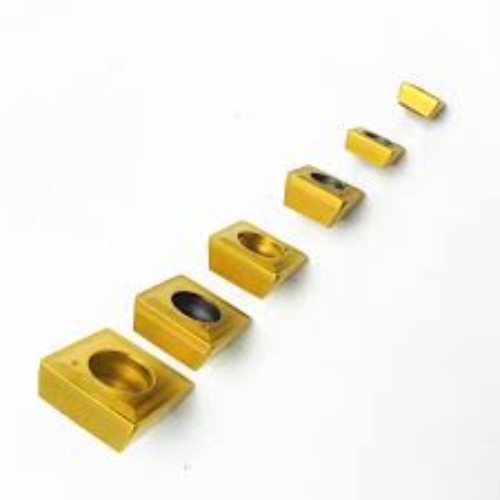
TNMA carbide insert
Price 180.0 INR/ Piece
MOQ : 10 Pieces
TNMA carbide insert Specification
- Thickness
- 3.18 mm (Typical, varies by model)
- Shape
- Triangular (TNMA)
- Hardness
- Up to 92.5 HRA
- Standard
- ISO
- Finish
- Smooth
- Capacity
- Varies with Application
- Feature
- High Wear Resistance, Replaceable Insert
- Corrosion Resistant
- Yes
- Grade
- Carbide (CVD/PVD Coated)
- Load Capacity
- Dependent on Holder & Use
- Surface Treatment
- Coated
- Fasteners Type
- Insert
- Material
- Tungsten Carbide
- Tolerance
- 0.05 mm
- Application
- Turning, Cutting, and Machining Operations
- Inscribed Circle (IC)
- 12.7 mm (Typical)
- Color
- Gold/Bronze or Black (Depending on Coating)
- Insert Type
- Negative, No Chipbreaker
- Compatible Tool Holder
- For ISO Turning Toolholder
- Number of Cutting Edges
- 6
- Primary Use
- Steel, Cast Iron, Non-ferrous Metal Machining
- Relief Angle
- 0 (Negative Insert)
- Coating Type
- TiN, TiCN, or Al2O3 (Depending on Grade)
- ISO Designation
- TNMA
- Cutting Edge
- Ground or Honed
About TNMA carbide insert
Carbide inserts are small, replaceable, high-hardness cutting tools made of tungsten carbide and cobalt, primarily used in lathes, mills, and drills for machining hard materials like steel, cast iron, and alloys. These indexable tools increase productivity by offering high wear resistance and enabling faster cutting speeds, often with multiple edges that can be rotated when worn. [1, 2, 3, 4, 5]
Key Characteristics and Components
- Material: Comprised of cemented carbide, combining high hardness (HRA 89-93) with toughness to resist cutting forces.
- Shapes: Common shapes include Triangle (T), Diamond (C, D), Square (S), and Round (R), each suitable for specific operations like boring, turning, or profiling.
- Designation Code (e.g., CNMG 120408):
Selection Factors
- Material Application: Represented by letters, such as P (Steel), M (Stainless), K (Cast Iron), and S (Heat-resistant alloys).
- Operation: Roughing requires stronger, thicker inserts with larger radii, while finishing requires smaller radii for better surface quality.
- Tool Holder: The insert shape must match the corresponding tool holder's geometry. [6, 7, 10, 11]
Key Advantages
- High Wear Resistance: Lasts 5-100 times longer than high-speed steel.
- High Heat Resistance: Maintains structural integrity at high temperatures.
- Efficiency: Allows for faster production and improved surface finishes. [1, 2]
AI responses may include mistakes.
[10] https://www.estoolcarbide.com/article/how-to-understand-the-type-of-carbide-inserts-newsinfo-29.html
Precision Engineered for Industrial Efficiency
The TNMA carbide insert is engineered to meet ISO standards, ensuring consistent performance and dimensional stability during demanding machining operations. Its negative relief angle combined with a smooth ground or honed cutting edge delivers reliable results in high-volume production settings. Carefully chosen carbide grades, featuring advanced CVD/PVD coatings, extend tool life and resist corrosion, maximizing value for manufacturers and fabricators.
Versatile Machining for Steel, Cast Iron, and Non-Ferrous Metals
Designed for versatility, the TNMA insert adapts seamlessly to turning, cutting, and other machining applications. Its six cutting edges provide excellent cost efficiency, while compatibility with ISO turning tool holders ensures fast, convenient replacement. Whether working with steel, cast iron, or non-ferrous metals, these inserts maintain performance even under tough conditions, making them suitable for a wide array of industries.
FAQ's of TNMA carbide insert:
Q: How should TNMA carbide inserts be used for optimal machining results?
A: For optimal performance, use TNMA carbide inserts with compatible ISO turning toolholders. Select the appropriate grade and coating based on the material, such as TiN or TiCN for general steel and Al2O3 for tougher operations. Ensure the insert is securely fastened, adjust cutting parameters as recommended, and utilize all six cutting edges by indexing the insert when edges wear out.Q: What materials can the TNMA carbide insert machine effectively?
A: The TNMA carbide insert is designed to efficiently machine a variety of materials, including steel, cast iron, and non-ferrous metals. The combination of tough carbide substrate and specialized coatings ensures consistent performance and durability across these applications.Q: When should I replace a TNMA carbide insert during use?
A: Replace the TNMA carbide insert when visible wear or chipping appears on the cutting edge, or if part surface finish begins to deteriorate. Since each insert provides six usable edges, index it to a fresh edge before full replacement to maximize cost efficiency.Q: Where are TNMA carbide inserts commonly used in India?
A: TNMA carbide inserts are widely used across the Indian manufacturing sector, including automotive, aerospace, general engineering, and metalworking industries. They are favored for high-precision turning, cutting, and finishing processes where tool reliability and longevity are essential.Q: What is the benefit of the negative relief angle and no chipbreaker design?
A: The negative relief angle boosts insert strength and stability, especially during heavy or interrupted cuts. The absence of a chipbreaker allows for smoother finishes and is particularly suitable for applications where chip control is managed externally or is not critical.Q: How does the coating type affect the insert's performance?
A: The type of coating-such as TiN, TiCN, or Al2O3-significantly affects wear resistance, thermal stability, and overall longevity. Select the coating most suitable for the intended work material to achieve optimum tool life and surface finish.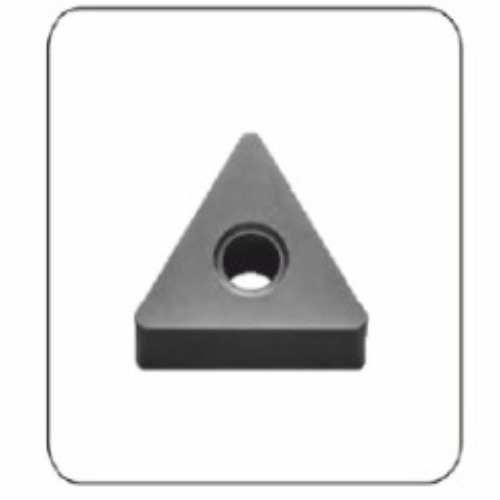
Tell us about your requirement

Price:
Quantity
Select Unit
- 50
- 100
- 200
- 250
- 500
- 1000+
Additional detail
Mobile number
Email

More Products in Carbide Inserts Category
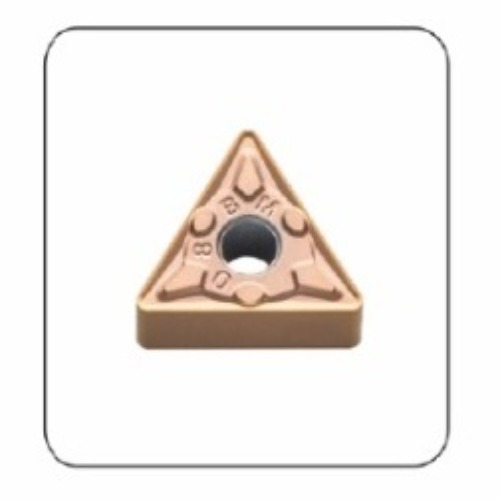
TDC carbide insert
Price 180.0 INR / Piece
Minimum Order Quantity : 10 Pieces
Application : Turning, Milling, Cutting Operations
Finish : Polished
Surface Treatment : Other, CVD Coated
Load Capacity : Industrial Grade Load
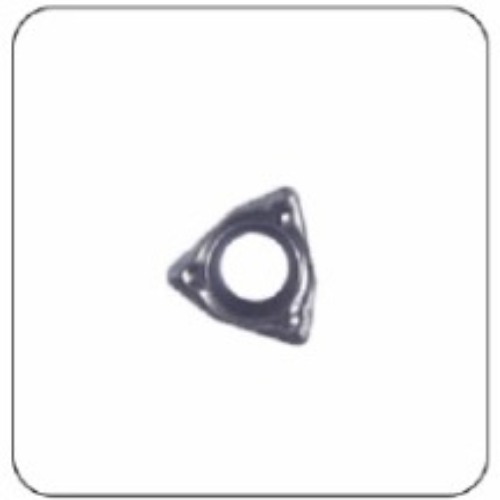
WBMT carbide insert
Price 180.0 INR / Piece
Minimum Order Quantity : 10 Pieces
Application : Turning, Boring, General Metal Cutting
Finish : Polished
Surface Treatment : Other, PVD Coated
Load Capacity : Industrial Grade
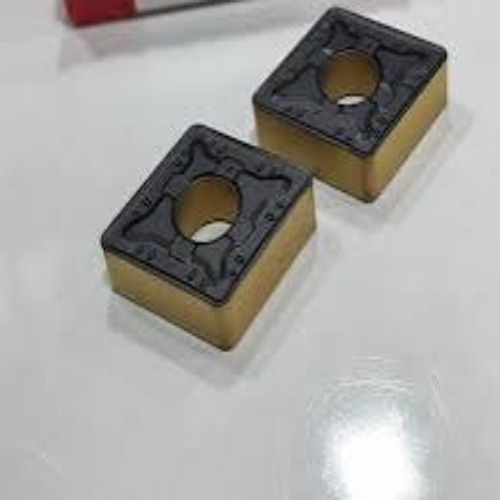
CNMG carbide insert
Price 180.0 INR / Piece
Minimum Order Quantity : 100 Pieces
Application : Turning, facing, and finishing operations
Finish : Polished and coated
Surface Treatment : Other, TiN/TiAlN coated
Load Capacity : Suitable for heavy and interrupted cuts
SPGT carbide insert
Price 180.0 INR / Piece
Minimum Order Quantity : 10 Pieces
Application : Milling, Groove cutting, CNC machining
Finish : Polished/Coated
Surface Treatment : Other, TiN, TiAlN, or Al2O3 coating
Load Capacity : Designed for highspeed milling operations

Address
GST : 24AGEPC0535C1ZB
- Survey No. - 41, Near Murlidhar Way Bridge, Near Hdfc Bank Street, Near Gondal Chowkdi,Rajkot - 360004, Gujarat, India
- Phone :07971191817
- Send Inquiry
 Send Inquiry
 Send Inquiry
 Send SMS
 Call Me Free
 |
AEKTA JAWS & CHUCKS
All Rights Reserved.(Terms of Use) Developed and Managed by Infocom Network Private Limited. |
