 Call Us : 07971191817Call Us : 07971191817
 English
 Spanish
 French
 German
 Italian
 Chinese (Simplified)
 Japanese
 Korean
 Arabic
 Portuguese

 Send Inquiry
ER THREADING carbide insert
Price 180.0 INR/ Piece
MOQ : 10 Pieces
ER THREADING carbide insert Specification
- Thread Type
- External Thread (ER)
- Capacity
- Suitable for threading operations
- Shape
- Triangular (ER type)
- Head Type
- N/A (insert type)
- Diameter
- Varies as per insert size (typically 16mm, 22mm, etc.)
- Surface Treatment
- Tin/TiCN/Uncoated (as per variant)
- Thickness
- 2.38mm-4.76mm (depends on insert size)
- Finish
- Precision ground finish
- Grade
- Carbide (CNC Grade)
- Hardness
- 89-93 HRA
- Tensile Strength
- High tensile strength due to carbide
- Drive Type
- N/A (held by toolholder)
- Feature
- Replaceable, high wear resistance, precise threading
- Torque
- Applied as per compatible toolholder
- Corrosion Resistant
- Yes
- Standard
- ISO/ANSI
- Load Capacity
- Designed for industrial threading loads
- Fasteners Type
- Threading Insert
- Material
- Tungsten Carbide
- Tolerance
- ISO Standard
- Application
- Threading on CNC lathes, turning, milling
- Color
- Gray/golden (coated)
- Coating
- Optional CVD/PVD coating for extended tool life
- Included Angle
- 60 (Standard metric/UN threads)
- Compatible Toolholders
- ER toolholders for threading
- Chipbreaker
- Available on select variants for improved performance
- Number of Cutting Edges
- Typically 3 edges per insert
- Insert Code
- ER type threading carbide insert
- Cutting Direction
- Right hand/left hand as per insert
- Model Number
- As per manufacturer catalog
About ER THREADING carbide insert
Carbide inserts are small, replaceable, high-hardness cutting tools made of tungsten carbide and cobalt, primarily used in lathes, mills, and drills for machining hard materials like steel, cast iron, and alloys. These indexable tools increase productivity by offering high wear resistance and enabling faster cutting speeds, often with multiple edges that can be rotated when worn. [1, 2, 3, 4, 5]
Key Characteristics and Components
- Material: Comprised of cemented carbide, combining high hardness (HRA 89-93) with toughness to resist cutting forces.
- Shapes: Common shapes include Triangle (T), Diamond (C, D), Square (S), and Round (R), each suitable for specific operations like boring, turning, or profiling.
- Designation Code (e.g., CNMG 120408):
Selection Factors
- Material Application: Represented by letters, such as P (Steel), M (Stainless), K (Cast Iron), and S (Heat-resistant alloys).
- Operation: Roughing requires stronger, thicker inserts with larger radii, while finishing requires smaller radii for better surface quality.
- Tool Holder: The insert shape must match the corresponding tool holder's geometry. [6, 7, 10, 11]
Key Advantages
- High Wear Resistance: Lasts 5-100 times longer than high-speed steel.
- High Heat Resistance: Maintains structural integrity at high temperatures.
- Efficiency: Allows for faster production and improved surface finishes. [1, 2]
AI responses may include mistakes.
[10] https://www.estoolcarbide.com/article/how-to-understand-the-type-of-carbide-inserts-newsinfo-29.html
Precision and Versatility in Threading
ER THREADING carbide inserts are built for accuracy and adaptability, offering right-hand and left-hand cutting directions and compatibility with various ER toolholders. Their triangular design and multiple edge configuration allow repeated use and consistent threading performance across metric or UN thread standards.
Enhanced Durability and Surface Protection
Choose from uncoated or coated variants with advanced CVD or PVD coatings like TiN and TiCN, which significantly extend the insert's lifespan. Enhanced hardness (89-93 HRA) and corrosion resistance deliver excellent performance even under high-load industrial conditions.
Application Adaptability and Easy Replacement
Ideal for exporters, manufacturers, and retailers in India, these inserts are suitable for threading on CNC lathes, turning, and milling machines. The replaceable design with standard sizes ensures straightforward installation and interchangeability as per tooling requirements.
FAQ's of ER THREADING carbide insert:
Q: How should I select the appropriate ER threading carbide insert for my application?
A: You should choose your ER threading carbide insert based on the thread type, cutting direction required (right-hand or left-hand), insert size (such as 16mm or 22mm), and whether a coated or uncoated surface is better suited for your material and cutting environment. Refer to the manufacturer's catalog for compatible grades and toolholders.Q: What advantages do CVD or PVD coatings provide on ER threading inserts?
A: Coatings like CVD or PVD (TiN, TiCN) significantly enhance the insert's service life by improving wear, heat, and corrosion resistance. These coatings also facilitate smoother cutting action, yielding better surface finishes on threaded parts and reducing the probability of insert failure in demanding conditions.Q: Where are ER threading carbide inserts commonly used?
A: These inserts are widely utilized in industrial settings such as machine shops, manufacturing plants, and CNC machining centers for precise external threading on turning and milling machines. They are particularly popular among exporters, manufacturers, and suppliers in India due to their reliability and replaceable design.Q: When should I replace an ER threading carbide insert?
A: Replace your insert when you notice signs of edge wear, loss of cutting accuracy, or degraded thread surface quality. Inserts are typically built with three cutting edges; rotate to a new edge when one becomes dull to maximize insert life before complete replacement.Q: What is the process for installing an ER threading insert?
A: To install the insert, select the appropriate ER toolholder, ensure it is clean and in good condition, and securely fasten the insert using the manufacturer-recommended procedure. Confirm alignment and cutting position before initiating threading operations to guarantee safety and thread precision.Q: How does the chipbreaker feature improve insert performance?
A: Chipbreakers on select ER inserts effectively control chip formation during threading, preventing entanglement, reducing heat buildup, and enhancing operational efficiency, especially when threading tough materials or creating deep threads.Q: What are the key benefits of using tungsten carbide ER threading inserts?
A: Tungsten carbide construction offers remarkable wear resistance, high hardness (89-93 HRA), and strength, ensuring reliable performance and maintained thread quality even during high-volume or high-load industrial applications.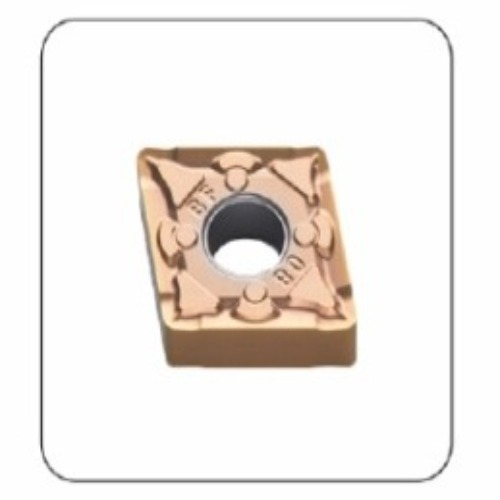
Tell us about your requirement

Price:
Quantity
Select Unit
- 50
- 100
- 200
- 250
- 500
- 1000+
Additional detail
Mobile number
Email

More Products in Carbide Inserts Category
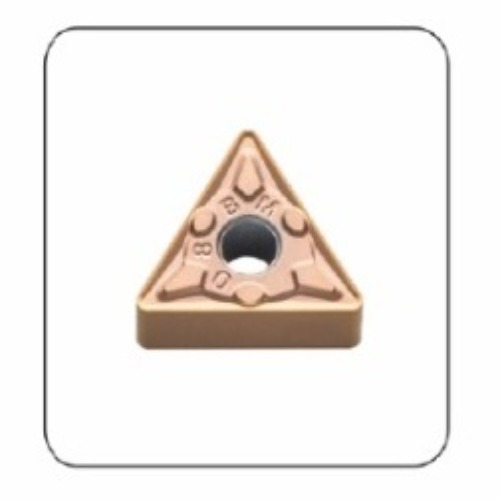
TDC carbide insert
Price 180.0 INR / Piece
Minimum Order Quantity : 10 Pieces
Shape : Triangular
Hardness : 90 HRA
Grade : P30
Capacity : Suitable for medium to heavy machining
WBMT carbide insert
Price 180.0 INR / Piece
Minimum Order Quantity : 10 Pieces
Shape : Rectangular/Custom WBMT Profile
Hardness : HRA 8992
Grade : Carbide K10/K20
Capacity : Professional Machining
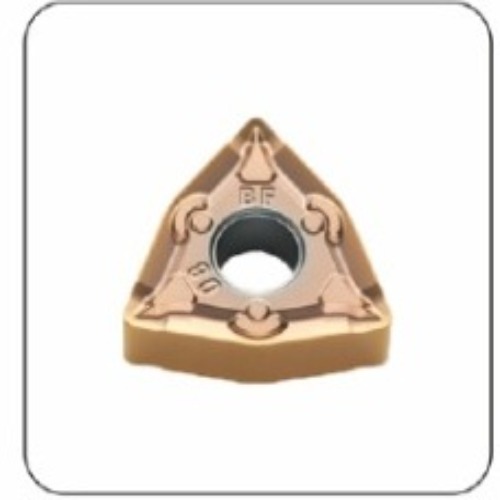
IR THREADING carbide insert
Price 180.0 INR / Piece
Minimum Order Quantity : 10 Pieces
Shape : Rhomboid/triangular profile
Hardness : HRA 8993
Grade : CVD/ PVD coated carbide (e.g., K10, K20, or as per customers requirement)
Capacity : Suitable for threading operations on turning centers and CNC lathes
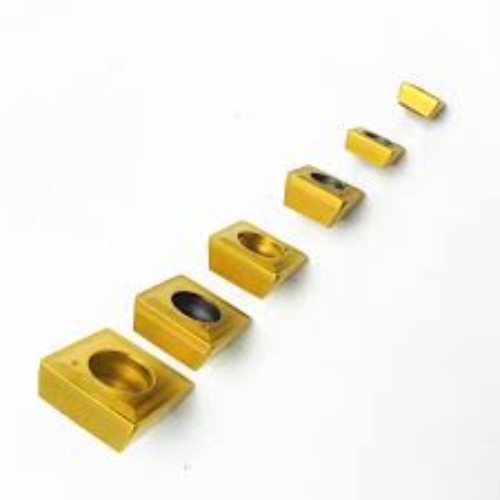
SPGT carbide insert
Price 180.0 INR / Piece
Minimum Order Quantity : 10 Pieces
Shape : Square
Hardness : HRA 8993
Grade : Carbide (PVD or CVD coated, as per application)
Capacity : Suitable for light to medium duty milling applications

Address
GST : 24AGEPC0535C1ZB
- Survey No. - 41, Near Murlidhar Way Bridge, Near Hdfc Bank Street, Near Gondal Chowkdi,Rajkot - 360004, Gujarat, India
- Phone :07971191817
- Send Inquiry
 Send Inquiry
 Send Inquiry
 Send SMS
 Call Me Free
 |
AEKTA JAWS & CHUCKS
All Rights Reserved.(Terms of Use) Developed and Managed by Infocom Network Private Limited. |
