 Call Us : 07971191817Call Us : 07971191817
 English
 Spanish
 French
 German
 Italian
 Chinese (Simplified)
 Japanese
 Korean
 Arabic
 Portuguese

 Send Inquiry
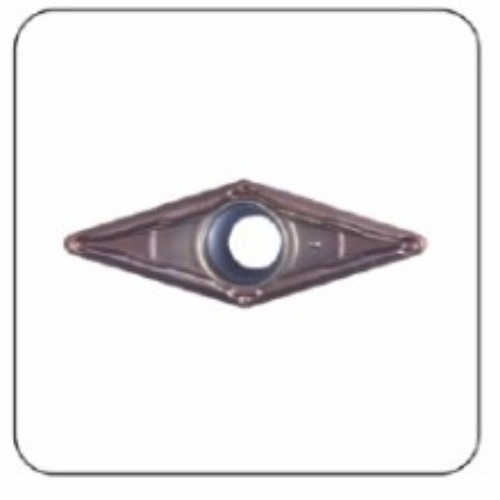
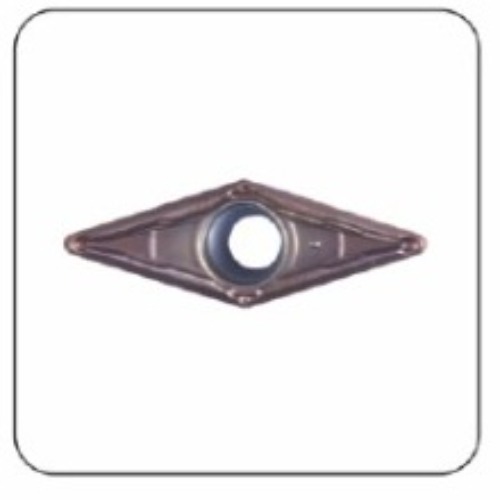
VBMT carbide insert
Price 180.0 INR/ Piece
MOQ : 10 Pieces
VBMT carbide insert Specification
- Tensile Strength
- Not applicable for inserts
- Load Capacity
- Not directly applicable
- Diameter
- Varies as per insert size, typically 6 mm to 15 mm
- Grade
- Carbide (Various options: P, M, K grades available)
- Thickness
- 2.5 mm to 5 mm (depending on model)
- Corrosion Resistant
- Yes (coated inserts)
- Feature
- High wear resistance, sharp cutting edges
- Torque
- Not directly applicable
- Standard
- ISO
- Capacity
- Suitable for medium to finishing cuts
- Shape
- VBMT (55-degree rhombic)
- Surface Treatment
- TiN, TiAlN or CVD/PVD coated
- Hardness
- Up to 92 HRA
- Finish
- Polished/Coated
- Material
- Tungsten Carbide
- Tolerance
- 0.05 mm
- Application
- Turning, Boring, External Facing
- Pack Size
- 10 pcs per box
- Nose Radius
- 0.4 mm, 0.8 mm or as specified
- Insert Compatibility
- Suitable for ISO toolholders
- Cutting Direction
- Right hand / Left hand
- Color
- Gold, Black, as per coating
- Usage Environment
- Dry and Wet machining
- Recommended Workpiece Materials
- Steel, Stainless Steel, Cast Iron, Non-ferrous metals
- Chipbreaker Type
- Available (M, FG, SM, etc.)
- Designation
- VBMT160404, VBMT110304 or as specified
About VBMT carbide insert
Carbide inserts are small, replaceable, high-hardness cutting tools made of tungsten carbide and cobalt, primarily used in lathes, mills, and drills for machining hard materials like steel, cast iron, and alloys. These indexable tools increase productivity by offering high wear resistance and enabling faster cutting speeds, often with multiple edges that can be rotated when worn. [1, 2, 3, 4, 5]
Key Characteristics and Components
- Material: Comprised of cemented carbide, combining high hardness (HRA 89-93) with toughness to resist cutting forces.
- Shapes: Common shapes include Triangle (T), Diamond (C, D), Square (S), and Round (R), each suitable for specific operations like boring, turning, or profiling.
- Designation Code (e.g., CNMG 120408):
Selection Factors
- Material Application: Represented by letters, such as P (Steel), M (Stainless), K (Cast Iron), and S (Heat-resistant alloys).
- Operation: Roughing requires stronger, thicker inserts with larger radii, while finishing requires smaller radii for better surface quality.
- Tool Holder: The insert shape must match the corresponding tool holder's geometry. [6, 7, 10, 11]
Key Advantages
- High Wear Resistance: Lasts 5-100 times longer than high-speed steel.
- High Heat Resistance: Maintains structural integrity at high temperatures.
- Efficiency: Allows for faster production and improved surface finishes. [1, 2]
AI responses may include mistakes.
[10] https://www.estoolcarbide.com/article/how-to-understand-the-type-of-carbide-inserts-newsinfo-29.html
Superior Performance and Durability
Designed with a 55-degree rhombic shape and available in various grades, VBMT carbide inserts deliver exceptional stability and sharp cutting edges. Their advanced coatings provide high wear and corrosion resistance, enhancing insert lifetime during challenging operations. The inserts accommodate medium to finishing cuts effortlessly, ensuring optimal surface finish across a broad spectrum of materials.
Versatile Application Range
VBMT carbide inserts cater to diverse machining needs, including turning, boring, and external facing. Their compatibility with standard ISO toolholders and flexible options for chip breakers make them adaptable to a variety of machine setups. These inserts are particularly effective for steel, stainless steel, cast iron, and non-ferrous metals, supporting both dry and coolant-assisted environments.
FAQ's of VBMT carbide insert:
Q: How do I select the correct VBMT carbide insert designation for my machining task?
A: Choose the insert designation (such as VBMT160404 or VBMT110304) based on your toolholder size, nose radius preference (0.4 mm or 0.8 mm), and specific cutting requirements. Factors like depth of cut, workpiece material, and operation type (finishing or medium cut) should also influence your selection.Q: What benefits do TiN, TiAlN, or CVD/PVD coatings provide on these inserts?
A: These coatings significantly enhance the insert's wear resistance, reduce friction, and offer superior protection against heat and corrosion. This results in sustained sharpness, extended tool life, and stable performance during high-speed and tough machining conditions.Q: When should I use different chipbreaker types like M, FG, or SM?
A: The choice of chipbreaker depends on chip control needs and the type of machining. M is suitable for general purposes, FG excels in finishing cuts, while SM is designed for light and smooth chip removal. Refer to application specifics and workpiece material for optimal selection.Q: Where can I apply VBMT carbide inserts?
A: VBMT carbide inserts are ideal for use in turning, boring, and external facing operations. They are compatible with ISO-standard toolholders and well-suited to CNC lathes and manual machines in environments ranging from dry to wet machining conditions.Q: What is the recommended process for installing and using these inserts?
A: Ensure compatibility between the insert and your ISO toolholder. Install by aligning and securing properly, using the right cutting direction (right or left hand as specified). Monitor cutting parameters like speed and feed to match the workpiece material and required finish. Replace the insert once wear marks or diminished performance are observed.Q: What types of workpiece materials can these inserts handle effectively?
A: VBMT carbide inserts are engineered to machine steel, stainless steel, cast iron, and non-ferrous metals. The robust carbide grades and coatings permit operation across a wide range of materials, ensuring reliable performance and excellent surface quality.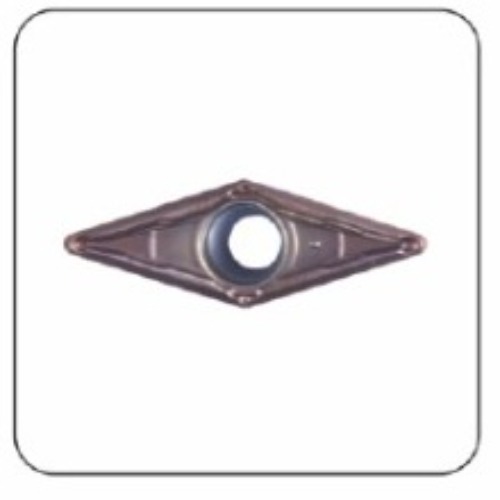
Tell us about your requirement

Price:
Quantity
Select Unit
- 50
- 100
- 200
- 250
- 500
- 1000+
Additional detail
Mobile number
Email

More Products in Carbide Inserts Category
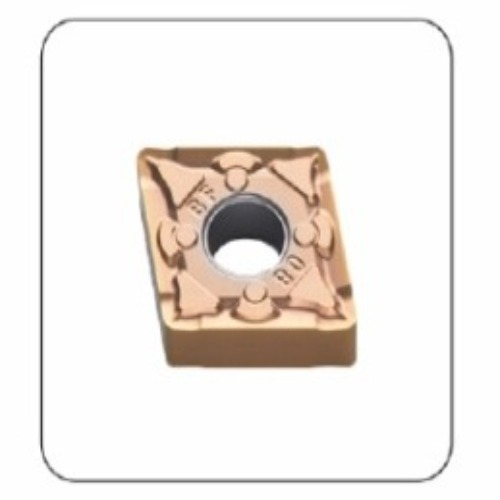
ER THREADING carbide insert
Price 180.0 INR / Piece
Minimum Order Quantity : 10 Pieces
Thickness : 2.38mm4.76mm (depends on insert size)
Corrosion Resistant : Yes
Diameter : Varies as per insert size (typically 16mm, 22mm, etc.)
Grade : Carbide (CNC Grade)
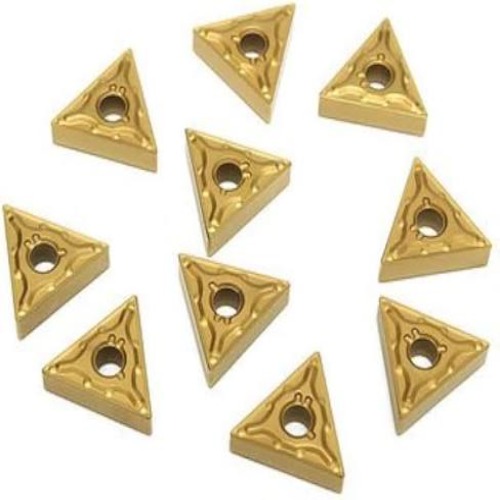
TNMG carbide insert
Price 180.0 INR / Piece
Minimum Order Quantity : 100 Pieces
Thickness : 4.76 mm (standard TNMG thickness)
Corrosion Resistant : Yes, due to coating
Diameter : 16 mm (approximate for TNMG insert)
Grade : Carbide, CVD/ PVD Coated
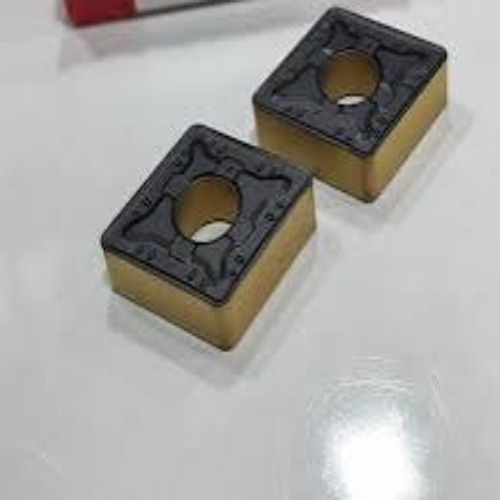
CNMG carbide insert
Price 180.0 INR / Piece
Minimum Order Quantity : 100 Pieces
Thickness : 4.76 mm
Corrosion Resistant : Yes
Diameter : 12 mm
Grade : K10/K20/P40
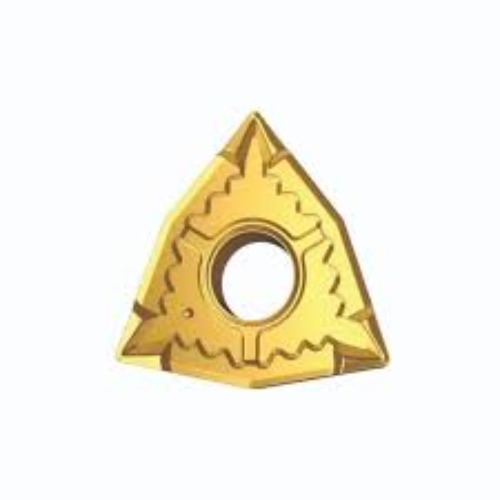
WNMG carbide insert
Price 180.0 INR / Piece
Minimum Order Quantity : 100 Pieces
Thickness : 4.76 mm
Corrosion Resistant : Yes
Diameter : 12 mm
Grade : Carbide Grade (e.g., P30, K20)

Address
GST : 24AGEPC0535C1ZB
- Survey No. - 41, Near Murlidhar Way Bridge, Near Hdfc Bank Street, Near Gondal Chowkdi,Rajkot - 360004, Gujarat, India
- Phone :07971191817
- Send Inquiry
 Send Inquiry
 Send Inquiry
 Send SMS
 |
AEKTA JAWS & CHUCKS
All Rights Reserved.(Terms of Use) Developed and Managed by Infocom Network Private Limited. |
