 Call Us : 07971191817Call Us : 07971191817
 English
 Spanish
 French
 German
 Italian
 Chinese (Simplified)
 Japanese
 Korean
 Arabic
 Portuguese

 Send Inquiry
WNMG carbide insert
Price 180.0 INR/ Piece
MOQ : 100 Pieces
WNMG carbide insert Specification
- Thickness
- 4.76 mm
- Shape
- Trigon (WNMG)
- Feature
- Wear Resistant, Heat Resistant
- Diameter
- 12 mm
- Capacity
- Suitable for medium to heavy machining
- Load Capacity
- High (for industrial cutting)
- Grade
- Carbide Grade (e.g., P30, K20)
- Corrosion Resistant
- Yes
- Surface Treatment
- TiN/TiAlN Coated
- Tensile Strength
- N/A (not applicable)
- Head Type
- WNMG (Trigon/Negative Insert)
- Standard
- ISO
- Hardness
- Up to 92 HRA
- Finish
- Polished/Coated
- Fasteners Type
- Insert (Non-fastening)
- Material
- Tungsten Carbide
- Tolerance
- 0.01 mm
- Application
- Turning, Boring, and Facing Operations
- Inscribed Circle
- 12 mm
- Coolant Through
- No
- Number of Cutting Edges
- 6
- Pack Size
- 10 pieces/tray
- Chipbreaker
- Available (C, M, or H type)
- Suitable Workpiece Materials
- Steel, Stainless Steel, Cast Iron
- Insert Angle
- 80
- ISO Code
- WNMG 080404 (example)
- Corner Radius
- 0.8 mm
- Tool Compatibility
- Fits standard ISO tool holders
About WNMG carbide insert
WNMG carbide inserts are 80-degree trigon-shaped, double-sided negative turning inserts used for high-efficiency turning, facing, and boring of steel and cast iron. They offer 6 cutting edges and robust corner stability, making them cost-effective for medium to heavy roughing and finishing applications, particularly with interrupted cuts. [1, 2, 3, 4]
Key Features & Description
- Shape: Trigon (80-degree rhombic) shape.
- Design: Double-sided (negative rake) with 6 usable cutting edges, providing high economy.
- Material: Made of high-quality, high-hardness carbide, usually with CVD coating for high wear resistance.
- Application: Ideal for external turning, facing, and boring, especially in steel (ISO P range) and cast iron.
- Performance: Highly durable, offering excellent plastic deformation resistance and consistent performance on interrupted cuts.
- Common Sizes: Often available as WNMG 432/0804 (6.51 mm to 8 mm cutting edge length, depending on specific designation). [1, 2, 3]
Nomenclature Breakdown
- W: Trigon shape ($80circ$ angle)
- N: Negative rake angle (provides 6 edges)
- M: Tolerance Class (M)
- G: Hole-type insert (with chip breaker)
- 0804/432: Size and thickness [1, 2, 3]
Usage Benefits
- High Efficiency: Suitable for high-speed cutting.
- Cost-Effective: Six cutting edges reduce tool cost per part.
- Robustness: Excellent for turning with rough surface finishes and heavy loads. [2, 3, 5]
AI responses may include mistakes.
Optimized for Robust Machining
Crafted for high-load industrial applications, the WNMG carbide insert delivers superior performance across turning, boring, and facing operations. Its unique trigon design and six cutting edges allow for efficient rotation and extended tool life, reducing downtime and tooling costs. The insert's polished or coated surface further enhances chip evacuation and heat resistance, ensuring stability in medium to heavy machining tasks.
Versatile Compatibility and Wide Application
This carbide insert is fully compatible with standard ISO tool holders and is suitable for machining steel, stainless steel, and cast iron. The choice of available chipbreakers (C, M, or H type) allows users to tailor chip control to specific needs, while the robust tungsten carbide material and advanced surface treatments provide resilience against extreme wear and corrosion.
FAQ's of WNMG carbide insert:
Q: How do I select the appropriate chipbreaker type (C, M, or H) for my machining process?
A: Choose the chipbreaker based on workpiece material and cutting conditions: C-type handles continuous cuts and finishing; M-type suits general-purpose, semi-finishing, and light interruptions; H-type is ideal for heavy-duty, interrupted, or roughing applications. Selecting the right chipbreaker optimizes chip control and enhances surface finish.Q: What are the main benefits of using WNMG carbide inserts in medium to heavy machining?
A: WNMG carbide inserts offer high wear resistance, long service life, and stable performance under heavy loads. Their trigon design provides six cutting edges, reducing tooling costs. The inserts'-coated surfaces further enhance durability, allowing efficient machining of steel, stainless steel, and cast iron in demanding environments.Q: When should I replace or index the WNMG insert during usage?
A: Replace or index the insert when you notice signs of wear, chipping, or degraded surface finish on the workpiece. Thanks to six cutting edges, simply rotate to a new edge as needed, maximizing overall tool life before replacing the insert entirely.Q: Where can these carbide inserts be installed and what tool holders are compatible?
A: These inserts are compatible with standard ISO tool holders designed for WNMG-type inserts, such as those conforming to ISO code WNMG 080404 or equivalent. They are widely used in industrial lathes and CNC turning machines for versatile metalworking applications.Q: What is the ISO code significance for the WNMG insert, such as WNMG 080404?
A: The ISO code (e.g., WNMG 080404) provides standardized information on the insert's shape, size, thickness, nose radius, and tolerances, ensuring compatibility and interchangeability across various tool holders and machinery adhering to ISO standards.Q: How does the TiN or TiAlN surface treatment improve insert performance?
A: TiN or TiAlN coatings enhance the insert's surface hardness and resistance to wear, oxidation, and heat. This results in improved tool longevity, higher machining speeds, and more consistent performance during heavy-duty operations.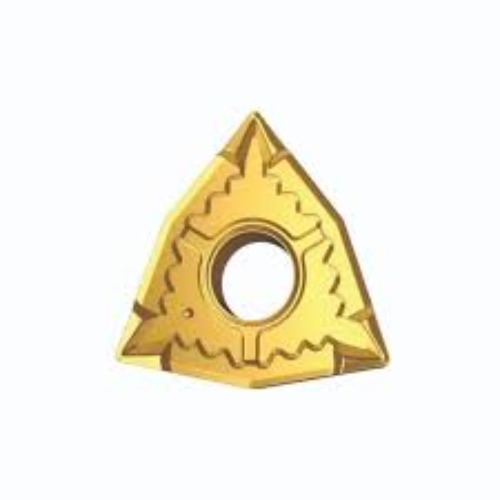
Tell us about your requirement

Price:
Quantity
Select Unit
- 50
- 100
- 200
- 250
- 500
- 1000+
Additional detail
Mobile number
Email

More Products in Carbide Inserts Category
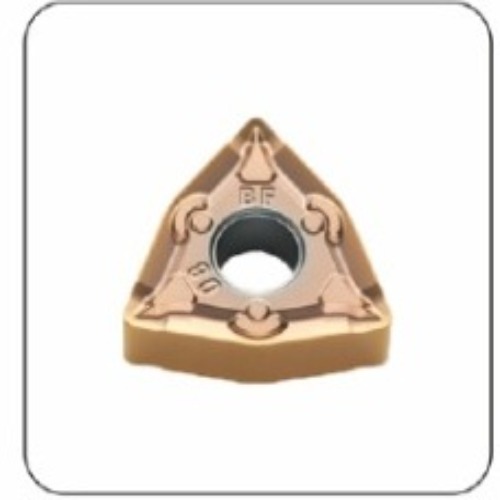
IR THREADING carbide insert
Price 180.0 INR / Piece
Minimum Order Quantity : 10 Pieces
Material : Other, Micrograin carbide
Load Capacity : Not applicable (tool, not fastener)
Tolerance : 0.05 mm
Capacity : Suitable for threading operations on turning centers and CNC lathes
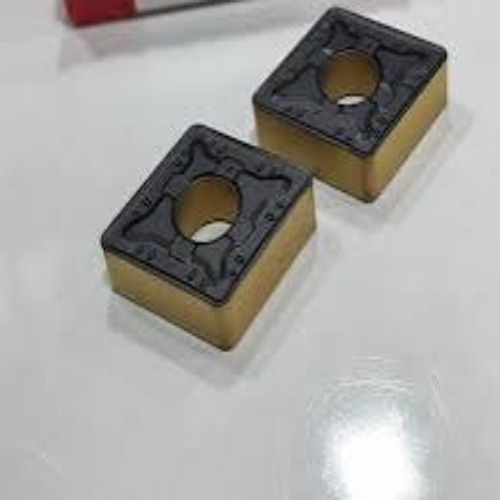
CNMG carbide insert
Price 180.0 INR / Piece
Minimum Order Quantity : 100 Pieces
Material : Other, Tungsten carbide
Load Capacity : Suitable for heavy and interrupted cuts
Tolerance : 0.05 mm
Capacity : High material removal rate
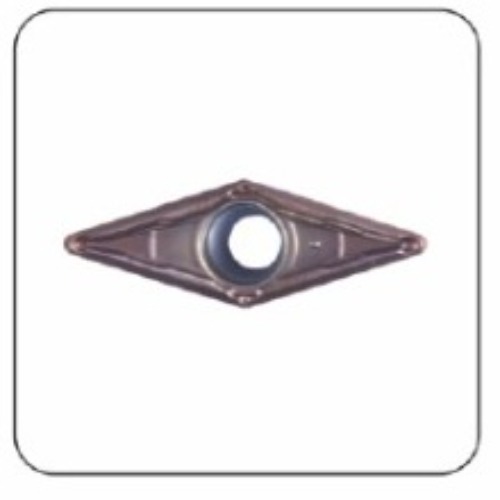
VBMT carbide insert
Price 180.0 INR / Piece
Minimum Order Quantity : 10 Pieces
Material : Other, Tungsten Carbide
Load Capacity : Not directly applicable
Tolerance : 0.05 mm
Capacity : Suitable for medium to finishing cuts
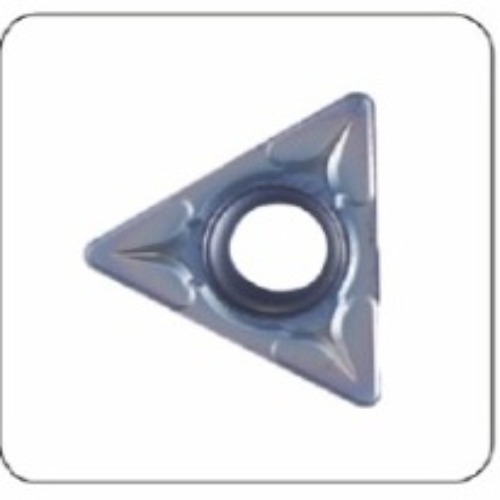
TCMT carbide insert
Price 180.0 INR / Piece
Minimum Order Quantity : 10 Pieces
Material : Other, Tungsten Carbide
Load Capacity : Industrial grade
Tolerance : 0.05 mm
Capacity : Suitable for medium to light turning

Address
GST : 24AGEPC0535C1ZB
- Survey No. - 41, Near Murlidhar Way Bridge, Near Hdfc Bank Street, Near Gondal Chowkdi,Rajkot - 360004, Gujarat, India
- Phone :07971191817
- Send Inquiry
 Send Inquiry
 Send Inquiry
 Send SMS
 Call Me Free
 |
AEKTA JAWS & CHUCKS
All Rights Reserved.(Terms of Use) Developed and Managed by Infocom Network Private Limited. |
